FTC 2026 Rules: Hidden Online Surcharges Nationwide Impact
Advertisements
Have you ever reached the checkout page only to see sudden, unexplained fees bump up your final total? The new FTC 2026 Rules finally crack down on sneaky digital add-ons, forcing e-commerce platforms to show total costs upfront.
This federal crackdown on hidden junk fees marks a major victory for transparent pricing in the digital marketplace. Moving forward, online merchants across the country must eliminate deceptive add-ons or face severe regulatory penalties.
Here is a clear breakdown of how these fee-transparency mandates protect your wallet and transform the online shopping experience nationwide.
Understanding the FTC's New Mandate for Online Surcharges
The Federal Trade Commission's new mandate, officially titled the 'Rule on Unfair or Deceptive Fees,' is designed to combat misleading pricing practices prevalent in online retail. This rule specifically targets hidden surcharges, often referred to as 'drip pricing,' where mandatory fees are revealed only late in the purchasing process.
Effective from mid-2026, the regulation requires businesses to clearly disclose the total price of goods and services upfront, including all mandatory fees, before consumers commit to a purchase. This proactive approach aims to empower consumers with complete information, enabling more informed purchasing decisions and fostering a fairer online marketplace.
The FTC's action reflects a broader governmental push to eliminate predatory pricing tactics that disadvantage consumers. By establishing a clear framework for transparency, the agency intends to level the playing field, ensuring that competition among online retailers is based on genuine value rather than deceptive pricing strategies. The FTC 2026 Rules represents a significant step in this direction.
Key Provisions and Scope of the 2026 Surcharge Rules
The core of the new FTC regulations revolves around comprehensive price transparency. Online retailers will be prohibited from advertising or offering a price for a good or service without clearly and conspicuously disclosing the total price, including all mandatory fees and charges, from the outset of the transaction.
This includes any processing fees, service charges, or other mandatory costs that are not part of the base price. The rules apply broadly across various sectors of online retail, impacting everything from event ticketing and hotel bookings to various e-commerce platforms. The scope is intentionally wide to capture a diverse array of hidden fees.
Furthermore, the regulation stipulates that any optional fees must be presented in a way that allows consumers to easily opt out, without manipulative design. This ensures that consumers are not tricked into paying for services they do not want. The Federal Trade Commission Enacts 2026 Rules sets a new standard for ethical online business practices.
Defining 'Hidden Surcharges' Under the New Regulations
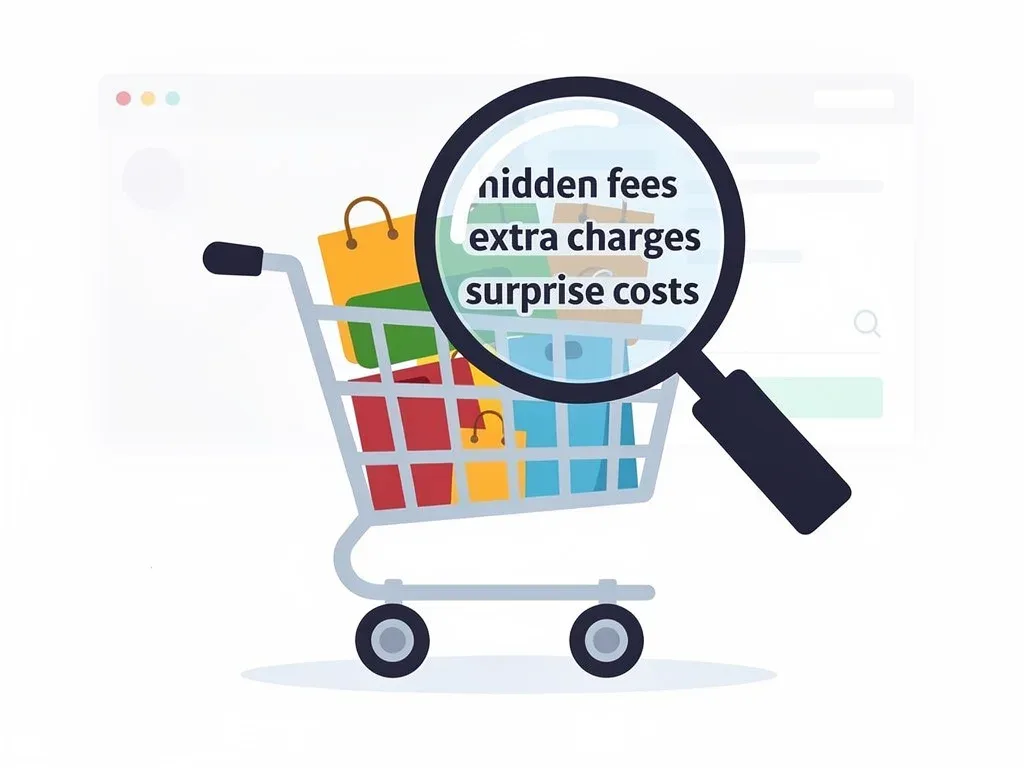
Under the new FTC framework, a 'hidden surcharge' is broadly defined as any mandatory fee or charge that is not included in the initial advertised price of a good or service. These are fees that a consumer cannot avoid if they wish to purchase the item or service.
The intent is to eliminate the practice of 'drip pricing,' where the final price steadily increases as a consumer progresses through the checkout process, often leading to frustration and abandoned carts. The rules seek to ensure that the price first shown to the consumer is the true, all-inclusive price they will pay.
This definition is crucial for businesses to understand, as compliance hinges on accurately presenting the full cost from the very first interaction. The FTC 2026 Rules aims to eradicate this deceptive practice.
Impact on Online Retailers and E-commerce Platforms
The implementation of the FTC 2026 Rules will necessitate significant operational and technological adjustments for online retailers. Businesses must re-evaluate their pricing strategies and website interfaces to ensure full compliance.
This includes redesigning checkout flows, updating pricing display mechanisms, and potentially overhauling backend systems that calculate and present costs. Retailers will need to ensure that their advertised prices reflect the final cost, inclusive of all mandatory fees, from the moment a product or service is first displayed to the consumer.
Non-compliance could result in substantial penalties, including fines and legal action from the FTC. Therefore, proactive measures and a thorough understanding of the new requirements are critical for all e-commerce platforms operating within the United States. The FTC 2026 Rules demands careful attention from the industry.
Operational Changes for Compliance
Website Redesign: E-commerce sites must update their product pages and checkout processes to display all-inclusive pricing upfront, eliminating last-minute fee revelations.
Pricing Model Review: Companies need to audit and adjust their pricing models to integrate mandatory fees into the initial advertised price, rather than adding them later.
Employee Training: Staff involved in pricing, marketing, and customer service will require training on the new regulations to ensure consistent and compliant communication.
Potential Challenges for Businesses
While the intent is consumer protection, online retailers may face challenges in adapting to the new rules. Small businesses, in particular, might struggle with the resources required for system overhauls and legal compliance.
The shift could also impact competitive pricing strategies, forcing a re-evaluation of how products and services are positioned in the market.
Some businesses argue that certain fees, such as credit card processing fees, are difficult to integrate into an upfront price due to varying payment methods. However, the FTC's stance emphasizes that such fees, if mandatory, must be disclosed early. The FTC 2026 Rules aims for comprehensive transparency.
Benefits for Consumers: Enhanced Transparency and Trust
For consumers, the FTC 2026 Rules represents a significant victory for transparency and fairness. Shoppers will no longer encounter unexpected charges at the final stage of their purchase, leading to a more predictable and trustworthy online shopping experience.
This enhanced clarity will allow consumers to make better-informed decisions, comparing prices accurately across different platforms without the surprise of hidden fees. It reduces consumer frustration and builds greater confidence in online transactions, fostering a healthier digital economy.
Ultimately, these rules aim to restore trust between consumers and online businesses. By eliminating deceptive practices, the FTC is empowering individuals to shop with peace of mind, knowing that the price they see is the price they will pay. The FTC 2026 Rules champion consumer rights.
Empowering Informed Purchasing Decisions
One of the primary benefits for consumers is the ability to make truly informed purchasing decisions. With all mandatory fees disclosed upfront, shoppers can accurately compare the total cost of goods and services from various retailers.
This eliminates the need to proceed through an entire checkout process just to discover the final, inflated price, saving consumers time and preventing frustration. The transparency mandated by the FTC 2026 Rules ensures a level playing field.
Such clarity promotes healthier competition among businesses, as they will compete on true value and transparent pricing, rather than relying on hidden fees to attract customers with seemingly lower initial costs. Consumers gain significant power in this new environment.
Enforcement and Penalties for Non-Compliance
The Federal Trade Commission is committed to rigorous enforcement of the 2026 rules. Businesses found to be in violation of the 'Rule on Unfair or Deceptive Fees' will face significant penalties, designed to deter non-compliance and ensure adherence to the new standards.
These penalties can include monetary fines, injunctions requiring changes to business practices, and potentially consumer redress. The FTC has a strong track record of pursuing companies that engage in deceptive advertising and unfair trade practices, and these new rules provide a clear framework for action.
The agency encourages consumers to report instances of hidden fees or non-compliance, providing a mechanism for ongoing oversight and enforcement. The FTC 2026 Rules with a clear intent to ensure widespread adherence.
FTC's Authority in Consumer Protection
The FTC possesses broad authority under the Federal Trade Commission Act to prevent unfair methods of competition and unfair or deceptive acts or practices in commerce. These new rules are a direct exercise of that authority, specifically targeting a widespread deceptive practice.
The agency's enforcement actions serve not only to penalize individual violators but also to send a clear message to the broader industry about the importance of compliance. This proactive regulatory stance aims to foster an environment where consumer trust is paramount.
Businesses should view these regulations not merely as a burden, but as an opportunity to build stronger, more transparent relationships with their customer base. The FTC 2026 Rules to fortify consumer protection.
Industry Reactions and Future Outlook
Initial reactions from the online retail industry have been mixed. While some businesses express concerns about the operational complexities and potential impact on profit margins, others view the new rules as a necessary step towards building greater consumer trust and fostering a more equitable marketplace.
Industry associations are actively engaging with the FTC to seek clarifications and guidance on implementation, particularly for complex pricing structures. Many are now advising their members to begin auditing their current pricing and disclosure practices to prepare for the 2026 deadline.
The long-term outlook suggests a more transparent and competitive online retail landscape. Businesses that embrace these changes proactively may gain a competitive advantage by demonstrating a commitment to fair pricing and consumer satisfaction. The FTC 2026 Rules is set to reshape industry norms.
Preparing for the 2026 Deadline
Early Audit: Conduct a comprehensive review of all current pricing structures and fee disclosures on digital platforms to identify areas of non-compliance.
System Upgrades: Invest in necessary IT infrastructure and software updates to support upfront, all-inclusive pricing displays.
Legal Consultation: Seek legal advice to ensure all business practices align with the specific requirements and interpretations of the new FTC rules.

Broader Implications for the Digital Economy
The FTC 2026 Rules carries significant broader implications for the entire digital economy. This move could inspire similar regulations in other sectors or even internationally, setting a precedent for consumer protection in digital transactions globally.
It signals a growing regulatory focus on digital marketplaces, emphasizing accountability and fair practices. As e-commerce continues to expand, governments worldwide are likely to examine ways to protect consumers from deceptive practices that undermine trust and fair competition.
This shift could lead to a more standardized approach to online pricing, benefiting both consumers through clearer information and legitimate businesses through a level playing field. The FTC 2026 Rules is a cornerstone for future digital commerce ethics.
Consumer Behavior and Market Dynamics
With transparent pricing, consumer behavior is likely to shift towards retailers who clearly display all costs upfront. This could incentivize businesses to adopt more straightforward pricing models, fostering genuine competition based on value rather than hidden fees. The market dynamics will favor transparency.
The elimination of hidden surcharges may also reduce cart abandonment rates, as consumers are less likely to be surprised or frustrated at the final checkout stage. This could lead to increased conversion rates for businesses that adapt effectively to the new regulatory environment.
Ultimately, the rules aim to create a more efficient and trustworthy digital marketplace where consumers can shop with confidence. The FTC 2026 Rules directly impacts these dynamics.
Comparing US Regulations to International Standards
The FTC 2026 Rules alongside other nations that have already implemented similar consumer protection measures. Several countries in Europe and other regions have long-standing regulations against hidden fees and drip pricing.
This move aligns the U.S. with a global trend towards greater transparency in online transactions. For international businesses operating in the U.S. market, these rules may necessitate adjustments to their existing global pricing and disclosure strategies to meet American standards.
This harmonization of standards could simplify compliance for some multinational corporations, while for others, it represents a new layer of regulatory complexity. The FTC's initiative contributes to a more unified approach to consumer protection in the global digital economy.
Global Trends in Consumer Protection
Globally, there's a clear trajectory towards stricter consumer protection in digital commerce, driven by the increasing sophistication of online marketing and pricing tactics. Regulators are increasingly scrutinizing practices that can mislead or disadvantage consumers.
The U.S. joining this movement reinforces the idea that transparency is a fundamental pillar of fair trade, regardless of geographical borders. This could encourage further international cooperation on consumer protection issues in the digital realm.
Businesses operating across different jurisdictions must remain vigilant about evolving regulatory landscapes to ensure compliance everywhere they operate. The FTC 2026 Rules is a key part of this global shift.
Key Aspect | Brief Description |
|---|---|
Effective Date | Mid-2026, giving businesses time to adapt to new requirements. |
Core Requirement | Mandatory disclosure of all-inclusive pricing upfront for online retail. |
Targeted Practice | Elimination of 'drip pricing' and hidden mandatory fees in online transactions. |
Impact | Enhanced consumer trust, operational adjustments for retailers, fairer competition. |
Frequently Asked Questions About FTC Surcharge Rules
What exactly are hidden online retail surcharges?▼
Hidden online retail surcharges are mandatory fees or costs that are not included in the initially advertised price of a product or service online. These fees often appear late in the checkout process, surprising consumers and inflating the final cost. The Federal Trade Commission Enacts 2026 Rules Targeting Hidden Online Retail Surcharges Nationwide specifically aims to eliminate this practice.
When do the new FTC rules officially take effect?▼
The new regulations from the Federal Trade Commission Enacts 2026 Rules Targeting Hidden Online Retail Surcharges Nationwide are slated to come into full effect in mid-2026. This timeline provides businesses with a crucial period to review their current pricing strategies, update their e-commerce platforms, and ensure complete compliance before the rules become enforceable.
How will these rules benefit the average online shopper?▼
For the average online shopper, these rules mean greater transparency and predictability. You will see the full, all-inclusive price upfront, without unexpected fees added at checkout. This allows for easier price comparison and more informed purchasing decisions, reducing frustration and building greater trust in online retail. The Federal Trade Commission Enacts 2026 Rules Targeting Hidden Online Retail Surcharges Nationwide prioritizes consumer clarity.
What types of businesses are most affected by these new regulations?▼
Businesses operating across the entire spectrum of online retail will be affected, including e-commerce platforms, ticketing agencies, hotel booking sites, and any service provider that adds mandatory fees during the online transaction process. The Federal Trade Commission Enacts 2026 Rules Targeting Hidden Online Retail Surcharges Nationwide has a broad scope to cover various digital marketplaces.
What are the penalties for businesses that do not comply?▼
Non-compliant businesses could face significant penalties, including substantial monetary fines, injunctions forcing changes to their deceptive practices, and potential legal action aimed at consumer redress. The FTC is empowered to enforce these rules vigorously, ensuring that the Federal Trade Commission Enacts 2026 Rules Targeting Hidden Online Retail Surcharges Nationwide achieves its intended goal of fair pricing.
Looking Ahead: The Future of Online Pricing
The FTC 2026 Rules marks a significant inflection point for online commerce. This regulatory action is not merely about eliminating hidden fees; it's about fundamentally reshaping the ethical landscape of digital transactions.
The move signals a clear commitment from the FTC to prioritize consumer protection and foster genuine competition based on transparent value.
As the 2026 deadline approaches, we anticipate a period of dynamic adaptation within the online retail sector. Businesses that proactively embrace these changes, investing in transparent pricing models and clear communication, are likely to build stronger customer loyalty and gain a competitive edge.
The shift will undoubtedly lead to a more trustworthy and predictable online shopping environment for consumers across the nation.
InfoCommer.com will continue to track the implementation of these crucial regulations, providing timely updates and analysis on their impact on businesses and consumers. The FTC 2026 Rules is a development that will resonate throughout the digital economy for years to come.
