IRS 1099-K Threshold: What Online Sellers Need to Know
Advertisements
If you sell goods or services online, a major tax shift is heading your way. Understanding the new IRS 1099-K Threshold is crucial for e-commerce store owners, side hustlers, and casual resellers looking to avoid unexpected compliance surprises from tax authorities.
Federal gross payment limits set by payment processors and digital marketplaces trigger automatic income reporting to federal auditors. Crossing these financial benchmarks means your third-party payment platforms will generate official documentation detailing your gross earnings.
Navigating these updated tax regulations requires proactive record-keeping and a clear grasp of taxable revenue versus non-taxable personal exchanges. Here is everything you need to know to organize your financial accounts and stay compliant this filing season.
Understanding the New IRS 1099-K Reporting Threshold
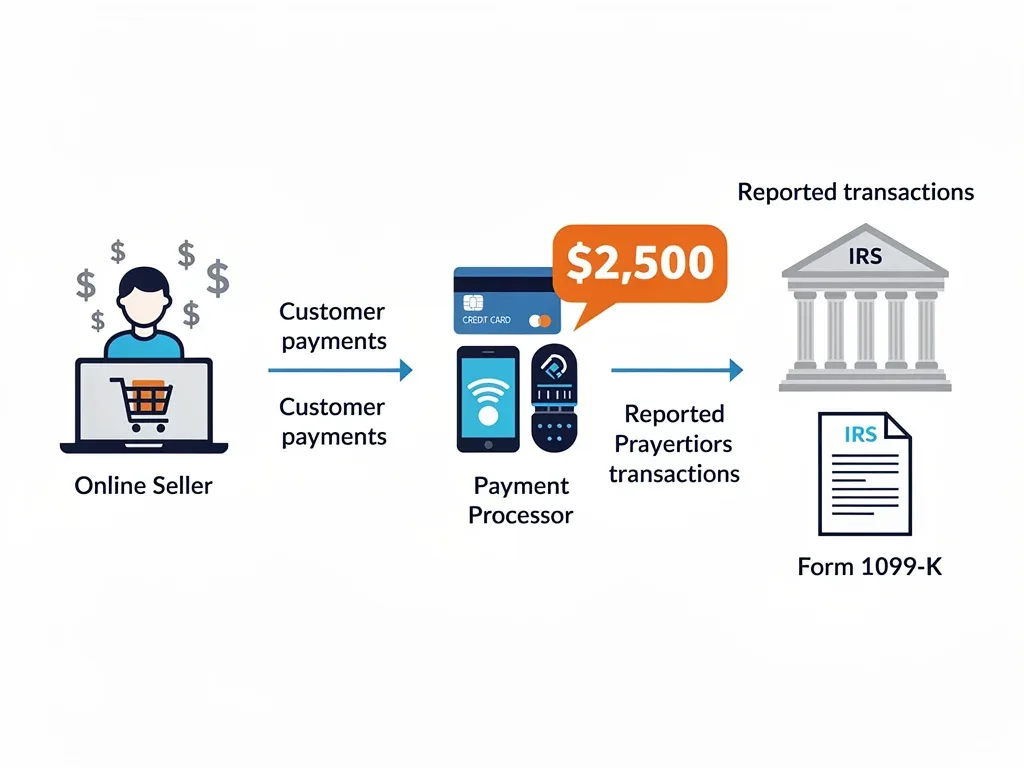
The Internal Revenue Service has officially lowered the 1099-K reporting threshold to $2,500 for third-party payment network transactions. This crucial adjustment directly affects millions of online sellers, freelancers, and small businesses operating on digital platforms. The previous threshold of $20,000 and more than 200 transactions is now significantly reduced.
This change is part of a broader effort by the IRS to enhance tax compliance and ensure fair reporting of income generated through online marketplaces. The aim is to close the tax gap that results from underreported income from digital transactions. It represents a proactive step in adapting tax laws to the realities of the modern digital economy.
For individuals and entities engaging in online sales, this means a much larger number will now receive a Form 1099-K from their payment processors. This form details the gross amount of reportable payment transactions, requiring recipients to include this income when filing their federal tax returns. It's essential to recognize this shift and prepare accordingly.
Who is Affected by the $2,500 Threshold?
The new IRS 1099-K Threshold primarily impacts individuals and businesses that sell goods or services through platforms like PayPal, Venmo, Etsy, eBay, and other similar third-party payment networks. If your gross payments from these platforms exceed $2,500 in a calendar year, you will likely receive a 1099-K form. This includes casual sellers, gig economy workers, and small e-commerce entrepreneurs.
It's important to differentiate between personal transactions and business income. The IRS guidance clarifies that payments for personal gifts, reimbursements for shared expenses, or non-taxable income are generally not considered reportable business income.
However, the onus is on the taxpayer to accurately distinguish and report only taxable income. Payment processors generally report all transactions exceeding the threshold.
Many sellers who previously flew under the radar due to the higher threshold will now find themselves within the reporting requirements.
This expands the scope of tax compliance significantly, demanding increased attention to record-keeping and income categorization. Understanding your specific situation is the first step toward effective compliance.
Key Players Impacted by the New Rule
E-commerce Businesses: Small and large online retailers selling products.
Gig Economy Workers: Freelancers, ride-share drivers, and delivery service providers.
Casual Sellers: Individuals selling used items or crafts through online marketplaces.
Service Providers: Professionals offering services paid through third-party platforms.
This broad reach ensures that a significant portion of digital economic activity is now subject to more stringent reporting. The IRS 1099-K Threshold is not a tax increase, but rather an increase in reporting requirements. This distinction is vital for understanding its impact.
Implications for Online Sellers and Businesses
The direct implication of the IRS 1099-K Threshold is the increased likelihood of receiving a Form 1099-K. This form serves as an informational return, notifying both you and the IRS of the gross payment volume processed through third-party networks. It does not automatically mean you owe more taxes, but it does mean the IRS has more visibility into your online income.
For many online sellers, this will necessitate more diligent record-keeping throughout the year. You will need to accurately track your gross receipts, expenses, and any non-taxable transactions to reconcile with the amount reported on your 1099-K. Discrepancies without proper documentation could trigger audits or inquiries from the IRS, adding stress and complexity to your tax season.
Furthermore, this change could influence pricing strategies or business models for some micro-businesses. While the threshold is relatively low, it brings a formal tax reporting component to activities that might have previously been managed more informally. Adapting to these new requirements will be key for sustained success in the online selling landscape.
Enhanced Record-Keeping Requirements
With the lower threshold, accurate and detailed record-keeping becomes paramount for all online sellers. Maintaining meticulous records of all sales, returns, fees, and expenses is crucial for reconciling the amounts reported on Form 1099-K. This proactive approach helps in clearly distinguishing between taxable income and non-taxable transactions.
Utilizing accounting software or robust spreadsheets can streamline this process, making it easier to track financial activities throughout the year. Comprehensive records will not only simplify tax preparation but also provide a clear audit trail should the IRS have questions. The importance of organized financial data cannot be overstated in this new reporting environment.
Neglecting proper record-keeping could lead to significant challenges, including overpaying taxes or facing penalties for underreporting. It is advisable for all online sellers to review their current accounting practices and make necessary adjustments to meet these heightened demands. The IRS 1099-K Threshold is a call to action for improved financial discipline.
Preparing for Tax Season with the New 1099-K Rules
Preparation is key to navigating the new IRS 1099-K Threshold without undue stress. Start by understanding which payment processors you use and how they will report your transactions. Most major platforms have already begun communicating these changes to their users, providing resources and FAQs to assist with compliance.
Review your account settings on platforms like PayPal, Venmo, or Stripe to ensure your tax information is up-to-date and accurate. Incorrect or outdated information can lead to delays or issues with receiving your 1099-K form. Proactive engagement with your payment processors can prevent many potential headaches down the line.
Consider consulting with a tax professional who specializes in e-commerce or small business taxation. They can provide personalized advice, help you optimize your record-keeping, and ensure you are taking advantage of all eligible deductions. Expert guidance can be invaluable in demystifying the complexities of the new reporting requirements and ensuring full compliance.
Tips for Seamless Tax Preparation
Consolidate Income: Gather all income statements from various online platforms.
Track Expenses: Meticulously record all business-related expenses for deductions.
Separate Accounts: Use separate bank accounts for business and personal transactions.
Review 1099-K Forms: Cross-reference received forms with your own records for accuracy.
By taking these steps, online sellers can significantly reduce the burden of tax preparation under the new rules. The IRS 1099-K Threshold requires a more organized approach to financial management, but with proper planning, it is entirely manageable.
The Role of Payment Processors and Platforms
Payment processors and online platforms play a critical role in the implementation of the new IRS 1099-K Threshold. They are responsible for tracking the gross transaction volume for each user and issuing Form 1099-K when the threshold is met. This places a significant burden on these entities to ensure accurate data collection and timely reporting to both sellers and the IRS.
Many platforms have invested heavily in updating their systems and communication strategies to inform users about these changes. They often provide dashboards or reports that allow sellers to monitor their transaction volume relative to the threshold. These tools are invaluable for sellers to stay informed and anticipate whether they will receive a 1099-K.
Sellers should actively utilize the resources provided by their payment processors and platforms. Understanding how each platform handles reporting, what data they collect, and how to access your transaction history is fundamental. This collaborative approach between sellers and platforms is essential for smooth tax compliance in the new regulatory environment.

Potential Impact on E-commerce Growth and Small Businesses
The IRS 1099-K Threshold could have a multifaceted impact on e-commerce growth, particularly for small businesses and casual sellers. While the intention is to improve tax compliance, some fear it might create additional administrative burden that could deter new entrepreneurs or reduce activity among existing small-scale sellers.
The increased need for meticulous record-keeping and potential tax professional consultations could be perceived as a barrier to entry for some.
Conversely, increased transparency could also foster a more level playing field, ensuring that all participants contribute their fair share to the tax system. This could lead to a more stable and equitable e-commerce environment in the long run.
Established businesses with robust accounting practices may find the adjustment less impactful, but micro-businesses might need to significantly adapt their operational models.
The ultimate impact will depend on how effectively the IRS communicates the changes and how readily online sellers adopt new compliance strategies. Education and accessible resources will be critical in mitigating any negative effects on small business growth. The IRS 1099-K Threshold is a challenge, but also an opportunity for greater financial discipline.
Challenges and Opportunities
Increased Compliance Costs: Potential need for accounting software or professional services.
Deterrence for Casual Sellers: Some may reduce activity to avoid reporting complexities.
Fairer Tax System: Ensures a broader base of taxpayers contribute their share.
Professionalization of E-commerce: Encourages better financial management practices.
Navigating Exemptions and Non-Taxable Transactions
While the IRS 1099-K Threshold broadens the scope of reporting, it is crucial to understand that not all transactions reported on a 1099-K are necessarily taxable income. Payments for personal items sold at a loss, gifts, or reimbursements for shared household expenses are generally not considered taxable income. However, these amounts might still be included in the gross total reported by payment processors.
Online sellers must be prepared to differentiate between taxable business income and non-taxable personal transactions when filing their tax returns.
This requires careful documentation and a clear understanding of what constitutes business income versus personal funds. The IRS expects taxpayers to accurately report their net income after accounting for all legitimate deductions and non-taxable amounts.
Maintaining separate bank accounts for business and personal use is highly recommended to simplify this distinction. This practice creates a clear audit trail and makes it easier to reconcile your own records with the information on the 1099-K. Proper categorization of transactions throughout the year will be invaluable when preparing your tax filings.
Future Outlook and Continued IRS Scrutiny
The implementation of the IRS 1099-K Threshold signals a clear trend towards increased IRS scrutiny of digital transactions. This is likely just one step in a broader strategy to ensure tax compliance in the rapidly expanding digital economy. Future adjustments or additional reporting requirements could be introduced as the IRS continues to adapt to new business models and payment methods.
Online sellers should view this change not as an isolated event, but as an indication of ongoing governmental interest in digital income streams.
Staying informed about tax law developments, particularly those related to e-commerce and the gig economy, will be essential. Subscribing to IRS updates and industry news can help you anticipate future changes and adjust your business practices accordingly.
Proactive engagement with tax education and professional advice will become even more critical. Businesses that prioritize compliance and adapt their financial practices early will be better positioned to thrive in this evolving regulatory landscape. The focus on the IRS 1099-K Threshold reflects a permanent shift in tax oversight.
Key Point | Brief Description |
|---|---|
New Threshold | IRS now requires 1099-K for over $2,500 in online transactions. |
Impacted Sellers | Affects online sellers, freelancers, and gig economy workers. |
Compliance Needs | Requires enhanced record-keeping and understanding of taxable income. |
Preparation Steps | Update info, consult tax pros, and separate business/personal funds. |
Frequently Asked Questions About 1099-K Reporting
What does the new $2,500 1099-K threshold mean for me?▼
If your gross transactions through a third-party payment network exceed $2,500 in a calendar year, the payment processor will issue a Form 1099-K to both you and the IRS. This increases the visibility of your online income to tax authorities, requiring more diligent record-keeping on your part.
Does receiving a 1099-K mean I automatically owe more taxes?▼
No, receiving a 1099-K does not automatically mean you owe more taxes. It is an informational return. You still report your net income after deducting business expenses. The form simply informs the IRS of your gross transaction volume, making it essential to accurately report your taxable income.
How can I differentiate between personal and business transactions for 1099-K?▼
It's crucial to maintain meticulous records. Payments for personal gifts, shared expense reimbursements, or sales of personal items at a loss are generally not taxable. Separating business and personal bank accounts and carefully categorizing transactions throughout the year can significantly help in this distinction.
What steps should online sellers take to comply with the new rules?▼
Online sellers should ensure their tax information with payment processors is current, track all income and expenses diligently, and consider using accounting software. Consulting a tax professional specializing in e-commerce can also provide tailored advice and ensure full compliance with the new regulations.
Will this new threshold impact my ability to sell casually online?▼
While the new threshold requires more formal reporting for sales exceeding $2,500, it doesn't prohibit casual selling. It does, however, necessitate better record-keeping and an understanding of what constitutes taxable income from your online activities. Many casual sellers will now need to engage more actively with tax planning.
Impact and Implications
The IRS 1099-K Threshold signifies a permanent shift in the landscape of digital commerce taxation. This move underscores the IRS's commitment to ensuring that income generated through online platforms is adequately reported, fostering greater transparency across the board.
Online sellers must embrace enhanced financial discipline and proactive tax planning to navigate these changes successfully.
Looking ahead, this initial adjustment may pave the way for further refinements in tax regulations concerning digital transactions. It is imperative for individuals and businesses engaged in online sales to remain vigilant, staying abreast of any new guidance or modifications from the IRS. Continuous education and adaptation will be key to long-term compliance and financial stability.
This threshold adjustment ultimately serves as a call to action for all online entrepreneurs to professionalize their financial operations.
By doing so, they can not only meet current compliance standards but also build a more robust and sustainable business model in the ever-evolving digital marketplace, positioning themselves for future success.
