VA Disability Rates 2026: Claim Optimization Guide
Advertisements
Are you leaving thousands of dollars in tax-free compensation on the table each year? With the 2.8% COLA boost updating VA Disability Rates for 2026, reaching a 100% rating now secures nearly $4,000 a month in baseline support.
Navigating the Department of Veterans Affairs rating math can feel overwhelming, especially when secondary conditions and nexus letters are overlooked. Strategic claim optimization bridges the gap between an undervalued decision and the full benefits you earned.
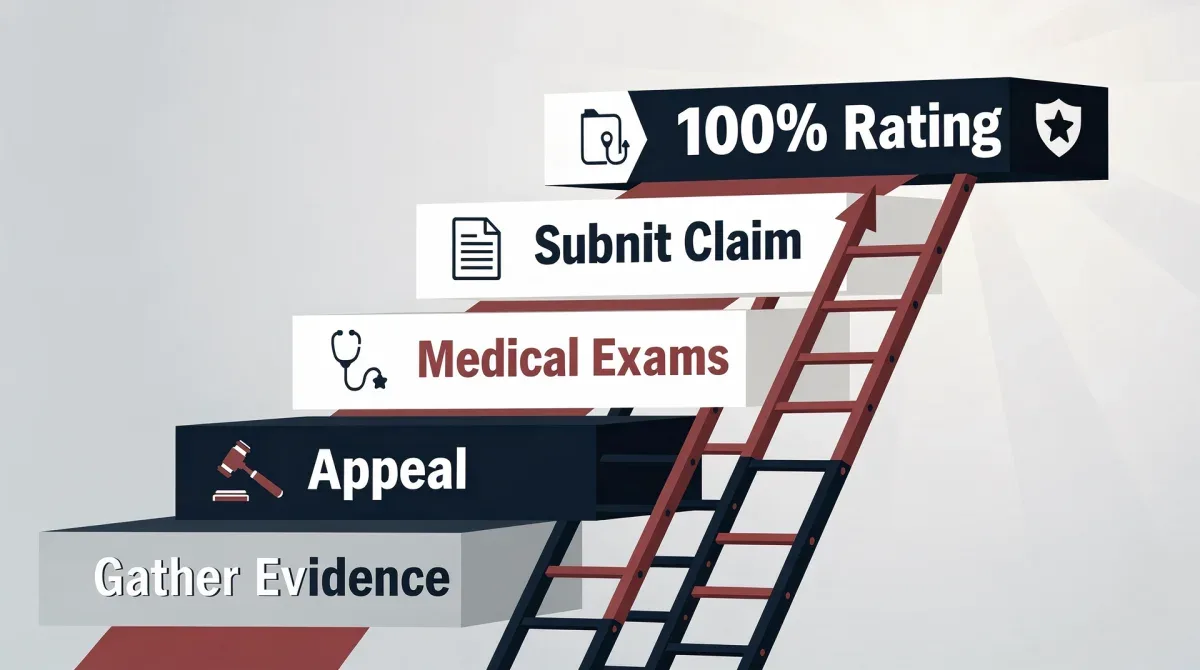
Whether you are filing an initial packet or appealing a lowball evaluation, knowing how to properly document your service-connected conditions is key. Here is your step-by-step blueprint to maximizing your monthly payout this year.
Understanding VA Disability Compensation Rates in 2026
As 2026 approaches, veterans across the United States are keenly anticipating updates to VA Disability Compensation Rates. These rates are crucial for financial stability, reflecting the ongoing commitment to those who served.
The Department of Veterans Affairs (VA) regularly adjusts these compensation rates, primarily influenced by the Cost-of-Living Adjustment (COLA). This annual adjustment ensures that benefits keep pace with inflation and the rising cost of living.
For veterans aiming to optimize their claims, understanding the projected VA Disability Compensation Rates in 2026 is the first critical step. Early preparation and a comprehensive grasp of the process can significantly impact the outcome.
Key Factors Influencing 2026 VA Compensation Rates
Several critical factors will dictate the final VA Disability Compensation Rates in 2026. These include economic indicators, legislative actions, and the overall budgetary health of the federal government.
The annual COLA is a primary driver, typically announced by the Social Security Administration. Historically, VA disability rates mirror these adjustments, providing a predictable yet essential increase for beneficiaries.
Beyond COLA, specific legislative changes or new federal initiatives could also influence rates. Staying informed about these potential developments is vital for any veteran planning their claim optimization.
The Role of Cost-of-Living Adjustments (COLA)
COLA is designed to protect the purchasing power of VA benefits against inflation. Each year, the Social Security Administration announces its COLA, which the VA then typically adopts for its disability compensation rates.
While the exact COLA for 2026 will not be known until late 2025, veterans can monitor economic forecasts to anticipate potential adjustments. This foresight allows for better financial planning and claim strategy.
Understanding how COLA impacts the VA Disability Compensation Rates in 2026 is fundamental for all veterans. It ensures that benefits remain relevant and adequate in a changing economic landscape.
Step-by-Step Claim Optimization for a 100% Rating
Achieving a 100% VA disability rating requires meticulous preparation, comprehensive medical documentation, and a strategic approach to the claims process. It is a detailed journey that demands persistence and accuracy.
The optimization process begins long before the actual submission of the claim. It involves gathering all relevant medical evidence, understanding VA rating schedules, and articulating the full impact of service-connected conditions.
Veterans aiming for a 100% rating must focus on establishing direct service connection, proving the severity of their conditions, and documenting all secondary conditions that may contribute to a higher overall rating.
Gathering Comprehensive Medical Evidence
The cornerstone of any successful VA disability claim is robust medical evidence. This includes service treatment records, private medical records, and detailed diagnostic reports.
Ensure that all medical documentation clearly links your current conditions to your military service. This connection, known as service-connection, is non-negotiable for receiving VA benefits.
Collect all military medical records, including sick calls and hospitalizations.
Obtain current private medical records from all treating physicians.
Secure nexus letters from medical professionals explicitly linking your condition to service.
Thorough and well-organized medical evidence strengthens your claim significantly. Without it, even the most legitimate conditions may not receive the appropriate rating.
Understanding VA Rating Schedules and Criteria
The VA uses a specific rating schedule to determine the percentage of disability for various conditions. Each condition has a defined set of symptoms and their corresponding disability percentages.
Familiarize yourself with the Diagnostic Codes (DCs) and the criteria for each rating level applicable to your conditions. This knowledge helps you understand what the VA looks for when assigning a rating.
Knowing the VA's criteria enables you to tailor your evidence and statements to directly address the requirements for a higher rating, potentially impacting your VA Disability Compensation Rates in 2026.
Navigating the VA Claims Process Effectively
The VA claims process can be complex, but with proper guidance and strategic navigation, veterans can significantly improve their chances of success. It involves initial application, examinations, and potential appeals.
Starting with an intent to file is crucial, as it reserves your effective date for benefits. This date determines when your compensation will begin, making it a critical first step in the process.
Throughout the process, maintaining open communication with the VA and seeking assistance from accredited representatives can be invaluable. Their expertise can help demystify complex procedures and advocate on your behalf.

Submitting Your Initial Claim and Evidence
Once your medical evidence is compiled, submit your claim using VA Form 21-526EZ, "Application for Disability Compensation and Related Compensation Benefits." Ensure all sections are completed accurately.
Attach all supporting documents, including service records, medical reports, and any personal statements. A well-organized submission reduces the likelihood of delays and requests for additional information.
Double-check that every piece of evidence directly supports your claimed conditions and their service connection. This meticulousness is key to optimizing your VA Disability Compensation Rates in 2026.
The Importance of Compensation and Pension (C&P) Exams
After submitting your claim, the VA will likely schedule you for one or more Compensation and Pension (C&P) exams. These exams are vital for the VA to assess the severity of your conditions.
During a C&P exam, be open and honest about all your symptoms, their frequency, and how they impact your daily life and ability to work. Do not minimize your pain or limitations.
The examiner's report from the C&P exam heavily influences the VA's decision on your disability rating. Therefore, preparing for these exams and providing a complete picture of your health is paramount.
Strategies for Achieving a 100% VA Rating
A 100% VA disability rating often involves a combination of individual service-connected conditions that collectively meet the criteria. It can also be achieved through a single condition deemed totally disabling.
One key strategy is to identify and claim all secondary conditions. These are conditions caused or aggravated by an already service-connected disability, and they can significantly increase your overall rating.
Another approach involves Total Disability Individual Unemployability (TDIU), which grants a 100% rating even if your combined schedular rating is less than 100%, provided you are unable to maintain substantially gainful employment due to your service-connected conditions.
Claiming Secondary Service-Connected Conditions
Secondary conditions are frequently overlooked but can be instrumental in reaching a higher disability rating. For example, chronic pain from a service-connected back injury might lead to depression or anxiety.
To claim a secondary condition, you must provide medical evidence demonstrating a direct link between your primary service-connected disability and the secondary condition. A nexus letter from a doctor is highly beneficial here.
Carefully review your medical history for any conditions that developed or worsened after your primary service-connected disability. These could be crucial for optimizing your VA Disability Compensation Rates in 2026.
Appealing a VA Disability Decision
If your initial claim for VA Disability Compensation Rates in 2026 does not result in the desired rating, you have the right to appeal the decision. The appeals process has been streamlined but still requires careful attention.
There are generally three lanes for appeal: Supplemental Claim, Higher-Level Review, and Board Appeal. Each lane has specific requirements and advantages, making it important to choose the one that best suits your situation.
Understanding the nuances of each appeal option is crucial for veterans who feel their initial rating does not accurately reflect their service-connected disabilities. Persistence often pays off in these scenarios.
Choosing the Right Appeal Lane
The Supplemental Claim lane allows you to submit new and relevant evidence that was not previously considered. This is often the best option if you have new medical records or a stronger nexus letter.
A Higher-Level Review involves a new review of your existing evidence by a more experienced VA rater. No new evidence can be submitted, making it suitable if you believe an error was made based on the existing record.
The Board Appeal option allows you to have your case reviewed by a Veterans Law Judge. You can choose to submit new evidence, request a hearing, or have a direct review without new evidence or a hearing.
Maximizing Your Benefits Beyond Basic Rates
Beyond the standard VA Disability Compensation Rates in 2026, several additional benefits can significantly enhance your overall compensation. These include Special Monthly Compensation (SMC) and additional allowances for dependents.
SMC is an additional tax-free benefit paid to veterans with certain severe disabilities or combinations of disabilities. These rates are distinct from basic disability compensation and recognize a higher level of need.
Veterans with dependents, such as a spouse, children, or dependent parents, may also be eligible for additional allowances. Ensuring all dependents are properly listed on your claim is essential for maximizing these benefits.
Special Monthly Compensation (SMC) Eligibility
SMC is provided for specific disabilities such as loss of a limb, blindness, or the need for aid and attendance. The criteria for SMC are strict, but the benefit can be substantial.
If your service-connected conditions meet the specific requirements for SMC, it can significantly increase your monthly compensation. It's crucial to understand these criteria and provide supporting evidence.
Consulting with a VA accredited representative can help determine if you qualify for SMC, ensuring you receive all benefits you are entitled to under the VA Disability Compensation Rates in 2026 framework.
Future Outlook and Legislative Watch for 2026
The landscape of VA Disability Compensation Rates in 2026 is dynamic, with potential changes driven by legislative initiatives and ongoing advocacy efforts. Staying informed about these developments is paramount for veterans.
Advocacy groups continually work to improve veterans' benefits, sometimes leading to new laws that impact eligibility or compensation rates. These efforts can introduce new conditions eligible for service connection or modify existing rating criteria.
Veterans should regularly check official VA announcements and reputable veteran advocacy news sources. This proactive approach ensures you are aware of any changes that could affect your current or future claims.
Monitoring Legislative Changes and Advocacy Efforts
Congress frequently considers legislation that could impact VA benefits. These legislative efforts can range from minor adjustments to significant overhauls of the compensation system.
Keeping an eye on bills related to veteran affairs, especially those concerning disability compensation, can provide early insight into potential changes to VA Disability Compensation Rates in 2026.
Engaging with veteran organizations and their lobbying efforts can also be beneficial, as they often have the most up-to-date information on proposed changes and their potential impact on veterans.
Key Point | Brief Description |
|---|---|
COLA Impact | 2026 rates likely mirror Social Security's Cost-of-Living Adjustment. |
Evidence Gathering | Comprehensive medical records and nexus letters are essential for claims. |
Secondary Conditions | Claiming conditions caused by primary disabilities can increase ratings. |
Appeals Process | Understanding appeal lanes is crucial for contested VA decisions. |
Frequently Asked Questions About VA Disability Compensation
How are VA Disability Compensation Rates in 2026 determined?▼
VA Disability Compensation Rates in 2026 will primarily be determined by the Cost-of-Living Adjustment (COLA) announced by the Social Security Administration. The VA typically adopts this COLA to ensure veteran benefits keep pace with inflation. Legislative changes or specific budgetary considerations could also play a role in the final rates.
What is the importance of a nexus letter for a VA claim?▼
A nexus letter is a crucial piece of evidence in a VA disability claim. It is a letter from a medical professional directly linking a veteran's current medical condition to their military service. This letter provides the necessary medical opinion to establish service connection, which is fundamental for receiving compensation.
Can secondary conditions increase my VA disability rating?▼
Yes, secondary conditions can significantly increase your VA disability rating. These are conditions that are caused or aggravated by an already service-connected disability. Properly documenting and claiming these secondary conditions, with supporting medical evidence, is a key strategy for optimizing your overall VA Disability Compensation Rates in 2026.
What is Total Disability Individual Unemployability (TDIU)?▼
TDIU is a benefit that allows veterans to receive compensation at the 100% disability rate, even if their combined schedular rating is less than 100%. To qualify, veterans must demonstrate they are unable to maintain substantially gainful employment due to their service-connected disabilities. It's an important pathway for many veterans.
How can I appeal a VA disability decision effectively?▼
To appeal a VA disability decision effectively, veterans should choose the appropriate appeal lane: Supplemental Claim (for new evidence), Higher-Level Review (for a new review of existing evidence), or Board Appeal (for a judge's review). Understanding the requirements for each lane and submitting compelling evidence are critical steps for a successful appeal.
Looking Ahead
The ongoing adjustments to VA Disability Compensation Rates in 2026 underscore the dynamic nature of veteran benefits. Proactive engagement with the claims process, diligent evidence gathering, and staying informed about legislative changes are essential for all veterans.
Understanding these nuances will not only help optimize individual claims but also ensure that veterans receive the full scope of benefits they have rightfully earned through their service. The commitment to those who served remains a national priority, with continuous efforts to refine and improve the support systems in place.
